



National Standards
Below is a selected list of subject area content standards that generally encompass the study of energy. More specific standards can be applied depending on the project and its curriculum. Economics Standards Scarcity • Productive resources are limited. Therefore, people can not have all the goods and services they want; as a result, they must choose some things and give up others. Markets – Price and Quantity Determination • Markets exist when buyers and sellers interact. This interaction determines market prices and thereby allocates scarce goods and services. Mathematics Standard Data Analysis and Probability Standard • Formulate questions that can be addressed with data and
collect, organize, and display relevant data to answer them. Science Standards Science as Inquiry Social Studies Standards • People, Places, and Environment |
|
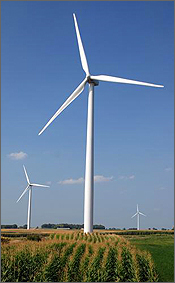
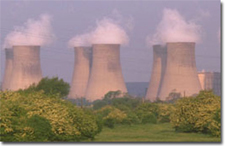
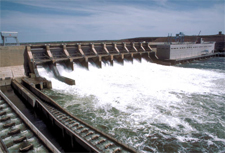
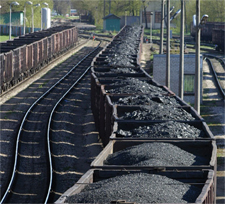
Energy is essential and at times a controversial subject. At EPCOT Center’s Energy exhibit, these lyrics, energy makes the world go round, sum up the role it has in the daily lives of people everywhere. From a global perspective, there are many challenges with the interdependence on energy sources. Nonrenewable energy sources include gas, oil, goal, and uranium. Renewable energy sources include solar, wind, geothermal, biomass, hydro, and the ocean. The debates concerning nonrenewable vs. renewable energy will shape government policies that will affect future generations. It is important that students learn about energy sources and the impact they have in their own lives. Learn about the basics of electricity and natural gas, including safety and renewable energy sources. Have you ever wondered how wind becomes electricity? Can you spot the electric hazards you might see outside? Play these games to find the answers. Find projects you can make at home or in the classroom such as a solar oven, anemometer, or pinwheel. Students, who like to color, do puzzles and test their smarts, can print out a variety of fun activity sheets. Teachers and parents will find lessons on energy safety and conservation. This site is geared to elementary students. An abundance of information, complimented by wonderful illustrations, is presented to educate students about why we need energy, the various sources, the need to be efficient, and preparing for emergencies. Teachers will appreciate the glossary and worksheets. Elementary and middle school students will benefit from this informative site. Saving energy is the main topic of this site designed by the U.S. Department of Energy. Discover ways to use energy wisely in your home. Play the game Energy Elf . Learn brief facts about renewable energy. Parents and teachers will find more than 160 lessons and activities related to energy.Teachers are the target audience of this site. Need fast facts about energy sources, how they were/are formed, and their environmental impact? Want to know energy history and famous people who contributed their expertise and ingenuity? Looking for lessons, science experiments, and energy news? Detailed diagrams are included to help students understand scientific concepts. In addition there is a section of games, crossword puzzles, energy slang, and scavenger hunt. This is a good starting place when studying energy sources. Be an energy star by discovering how to become more energy efficient. Learn what energy is, where it comes from, the different types of energy, the consequences of using energy, and saving energy. The photographs depicting the warming climate are powerful and suggest ways to make a difference. Click on items in a room and find out how to be a smart energy consumer. The word bank offers vocabulary definitions regarding energy. Factoids find the why’s, where’s, how’s, and who’s of energy. Learn how you can make a difference in conserving energy by exploring this compelling site. Federal Energy Regulatory Commission is an independent government agency, officially organized as part of the Department of Energy. This site offers the opportunity of taking a virtual tour of its headquarters. Click the icons on the map of the United States to see where we get our energy. Become familiar with how energy is regulated and disputes settled. Select a career with the FERC and see if you meet the qualifications. Play a crossword puzzle, word find, maze, or take a quiz to test your knowledge of the FERC. The section for parents offers helpful hints on saving and using energy. Teachers will find a number of resources to use with students. Kids are provided with links to fun energy sites that are specifically geared for them. The U.S. Nuclear Regulatory Commission offers a Student’s Corner to explain nuclear energy and fission. It explains what nuclear energy is, how fission occurs, and the uses of nuclear material. After explaining nuclear energy the site goes on to discuss the two different types of nuclear reactors in the United States using diagrams and photographs. Radiation is explained through diagrams as well. Emergency planning and security photos illustrate the importance of protecting nuclear facilities. Decommissioning is explained and radioactive waste sites are illustrated. Teacher lessons plans are included as well as a glossary and periodic table of the elements from the Los Alamos National Laboratory’s Chemistry Division. Rounding out the site is an atomic crossword puzzle and quiz to test your nuclear knowledge. NREL: Learning About Renewable Energy The National Renewable Energy Laboratory has provided a Website on energy efficiency and various applications of renewable energy. Renewable energies include solar, wind, biomass, hydrogen, geothermal, ocean, and hydropower. This site includes information on each and how the energy is captured and used. Who uses renewal energy and what it means to the world are only a few of the topics explored. This site is a treasure trove of information and resources on the topic of renewable energy.
|
|
|
|
||||

UpdatedMarch 12, 2015
© 1996 - 2015 Linda C. Joseph
All Rights Reserved
All CyberBee Graphics are Trademarked
Graphics by
Darlene Vanasco/Creative Director
Erika Taguchi/Designer & Illustrator
Hosting Provided by Iwaynet