


National Standards
Below is a selected list of subject area content standards that generally encompass thethe study of Ancient Egypt. More specific standards can be applied depending on the project and its curriculum. Language Arts Standards • Students use a variety of technological and information resources (e.g., libraries, databases, computer networks, video) to gather and synthesize information and to create and communicate knowledge. • Students develop an understanding of and respect for diversity in language use, patterns, and dialects across cultures, ethnic groups, geographic regions, and social roles. Mathematics Standards Measurement Science Standard Science as Inquiry Culture • Social studies programs should include experiences that provide for the study of culture and cultural diversity. Time, Continuity, and Change • Social studies programs should include experiences that provide for the study of the ways human beings view themselves in and over time. Technology Standards Research and Information Fluency
Prep time: 40 minutes (+1 hr for the dough to rise) Baking time:15-18 minutes 1 pinch sugar 15ml/3 teaspoons dried yeast 500gr (1lb 2oz/3 1/4 cups) plain flour 1 1/2 teaspoons sea salt 125ml (4 fl oz/1/2 cup) pekmez (molasses like syrup) 235gr (8 1/2 oz 1 1/2 cups) sesame seeds
Collect photographs Create postcards in a graphics programsHave students describe their impressions in the messages Compare the postcard with something familiar or previously seen. |
|
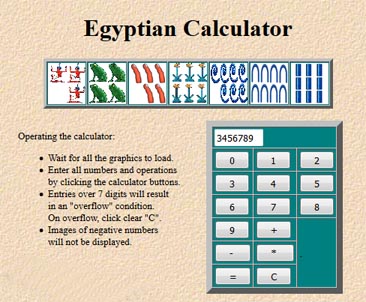
Trek back in history to the reign of the pharaohs. Uncover the secrets of mummification. Lift the shroud of mystery surrounding the great pyramids. Translate hieroglyphic writing. Open the door to anthropology and archeology through the study of Ancient Egypt. How many mysteries will your students discover and solve? Visit the British Museum and discover the land of Ancient Egypt. Learn about Egyptian life through stories, exploration, and a series of challenges. Play the Egyptian board game called Senet. Examine the painting in Nebamun’s tomb. Find geographic coordinates in ancient Egypt. Determine the size of a pyramid. Topics include mummification, pharaoh, pyramids, temples, time, traders, and writing. Do not miss the staff room for teachers to assist in finding the resources to meet the needs of students. This site is extensive, engaging and interactive. An Egyptologist from Belgian maintains this up to date site on the different eras of Egyptian history. It includes tables of rulers from the many dynasties. Locations of monuments are illustrated on maps with the history of the time and place. The different styles of Egyptian writing from hieroglyphs, hieratic, and demotic are illustrated. The author provides a tutorial on learning to read Egyptian writing. Learn what archeologists have found in recent discoveries and how these discoveries continue to help in understanding ancient Egyptian culture. BBC Ancient History: Egyptians Highlighting the BBC website are two outstanding interactive features that will mesmerize your students. The mystery, Death in Sakkara: an Egyptian Adventure, is an award winning masterpiece set in 1929 Egypt. Journalist Charles Fox plunges into a darkly sinister world of intrigue, murder and mysticism in the hunt for a missing archaeologist. Your students determine the direction of the story and gather clues. In the Mummy Maker, students are invited to assist Kha in preparing the body of Ramose for his funeral. This is a great way for elementary and middle school students to learn about the mummification process. The Website presents a description of hieroglyphic writing, including an interactive Hieroglyphic Typewriter – you can write your name in the ancient script and email secret messages to your friends. You will also learn about Egyptian numerals and test your knowledge with some mathematical problems set out using the ancient numbers. Try your hand at using the Egyptian calculator. Enter the numbers and operations and see how the answers are calculated. Compare this system to other systems. Read about Egyptian fractions and history of Egyptian mathematics by selecting the links. This interactive site will invite inquiry. The National Home Study Group in the United Kingdom invites visitors who are interested in Ancient Egypt to explore and use their free resources. Although the goal of this site is to recruit individuals for their courses, the information they provide is valuable for the classroom. Short descriptive articles covering pyramids, tombs, monuments, hieroglyphs, famous pharaohs are wonderful for research. Each topic is generously illustrated with color photographs and drawings. One feature worth noting for primary source aficionados is the story of David Roberts the first British artist to sketch the fantastic monuments of ancient Egypt. A few of his lithographs accompany the biography. This site is well designed and easy to navigate. Note: If you are interested in viewing more lithographs by David Roberts visit http://www.museum-tours.com/museum/roberts/roberts0.htm). Egyptomania Cleveland Museum of Art Find brief information about daily life in Egypt. Take a quiz to test your knowledge about Egypt. Build a Pharaoh. Discover the animals that live in Egypt through photographs and art. Egyptomania lessons are another good resource for teachers and students. PBS provides a wealth of resources to compliment its program, Egypt’s Golden Empire. Start by reading about the accomplishments of people who prospered during this era. Next, check out the special features such as Virtual Egypt where you can explore key sites through panoramic views or the Virtual Library with primary sources such as paintings and sculptures. For educators, there are a variety of lessons from architectural marvels to science and technology that incorporate video clips from the film. Middle and high school teachers will find this site invaluable. Who built the pyramids? How were they constructed? What artifacts were buried in the tombs? Find the answers to these questions and more at this National Geographic website. Archaeologists discover mummies that have remained intact. How is this done? What materials were used to treat the body? Surviving the test of time has always fascinated scientists and archaeologists. Learn the secrets of making a mummy with this lesson. Enter the Egyptian Gallery of the University of Pennsylvania Museum of Archaeology and Anthropology. Write your name in hieroglyphs on the screen the way an Egyptian scribe would have written it. Then send an online Egyptian postcard to anyone in the entire world. Visit the Secrets and Science of the Egyptian Mummy and discover their ideas about the afterlife. The mummification process is explained as well as the Book of the Dead. Find photos of the many exhibits in the University of Pennsylvania Museum. 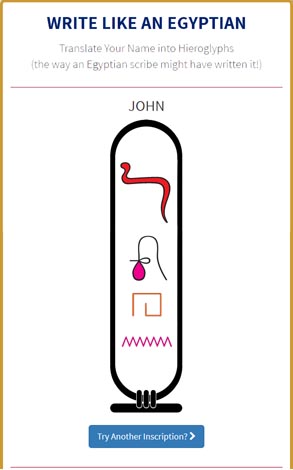
|
|
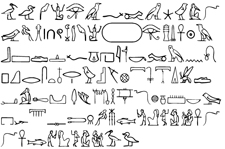
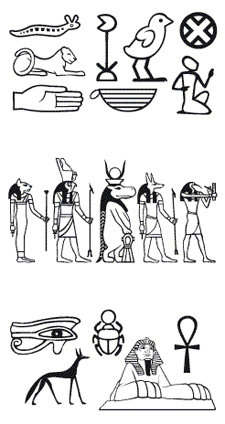
Ancient Egypt Clip Art and Fonts
Jazz up your lessons with free clip art and inexpensive fonts from these sites. Be sure to read their use policies.
Ancient Egyptian Clip Art by Phillip Martin
Font Menu ($9.95 Windows)
Clipart ETC: Florida’s Educational Technology Clearinghouse 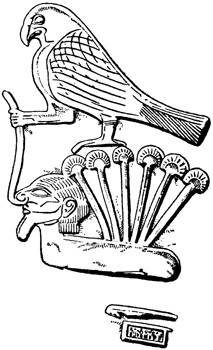 The
earliest known Egyptian writing: a picture story of the falcon
king. Neferchichi's Fonts ($15.99 Mac and Windows)
|
|
||||



Updated June 24. 2021
© 1996 - 2019 Linda C. Joseph
All Rights Reserved
All CyberBee Graphics are Trademarked
Graphics by
Darlene Vanasco/Creative Director
Erika Taguchi/Designer & Illustrator
Hosting Provided by Iwaynet